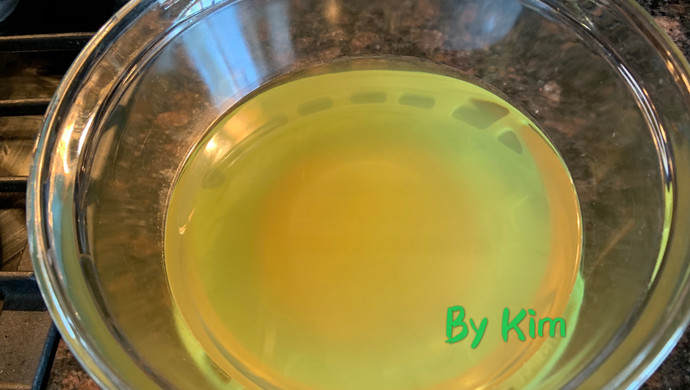
Taste of Japan: Japanese dashi
Japanese dashi, Dashi, is a well-deserved taste of Japan. The natural umami broth dissolved from kombu (dried kelp flakes) is added to the bonito flakes made through tedious procedures such as boiling, smoking, mushroom cultivation, and air drying, further enriching and enhancing the taste of the dashi. It is the soul of Japanese cuisine, and it is more than enough to replace the necessary broth such as chicken broth and beef broth, and is more in line with the healthy concept of modern cooking. Fresh Dashi is best consumed on the same day. The dosage of this recipe is just enough to make four small bowls of miso soup. If you want to save time, freeze it more, and it can be stored for 3 months. This top-ranked base Dashi takes only about 15 minutes and is definitely worth a try. What are you waiting for, let’s do it together!
The practice of Japanese dashi
Step 1
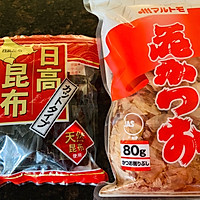
The protagonist of Japanese broth: kombu and bonito flakes, bonito flakes in English is called Bonito flakes, Bonito is a kind of tona fish, after boiling, smoking, fermentation, air drying and other cumbersome procedures, and finally shaved into fish fillets as thin as silkworm wings.
Step 2
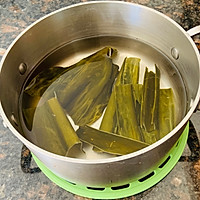
Use an 18-inch soup pot to weigh 10 grams of kelp and 1000 grams of water, soak for 1 hour, preferably no less than 30 minutes. Kombu cannot be rinsed with water, if you are not at ease, just wipe it gently with very dry kitchen paper.
Step 3
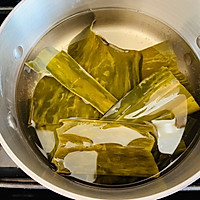
Cooking slowly over medium-low heat allows the nutrients and flavors in the kelp to dissolve better. Especially if the second step is less than 1 hour, the heat should be low. This can make up for the lack of soaking time. Do not boil the water, wait for the kelp to float up, there are small blisters that keep popping up and leave the fire, boiling water will make the impurities and mucus of the kelp precipitate, affecting the refreshing texture of the finished product.
Step 4
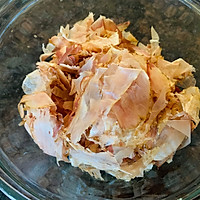
Remove the kelp and let the broth cool slightly off the heat. While waiting, weigh 20 grams of bonito flakes.
Step 5
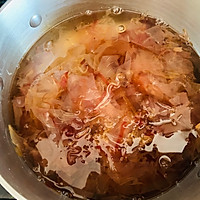
Pour the bonito flakes into the kombu broth and continue to cook over medium heat.
Step 6
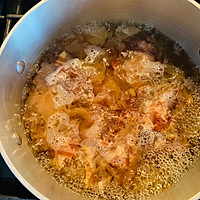
Remove from heat immediately after boiling, as it will have a fishy smell for too long. Line the screen with gauze or kitchen paper and strain out the broth.
Step 7
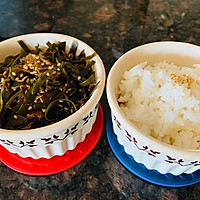
Don’t throw away the filtered bonito flakes and kelp, squeeze the excess water from the bonito flakes, cut a few cuts horizontally and vertically, and shred the kelp. Add some oil and sesame oil to a small wok, add bonito flakes and stir-fry dry, then add shredded kombu, add 1 tbsp sake (Sake), 0.5 tbsp Mirin, 1 tbsp soy sauce, sprinkle with some white sesame seeds, and stir-fry until relatively dry. It is used to accompany white rice, and the taste of happiness is it.
Step 8
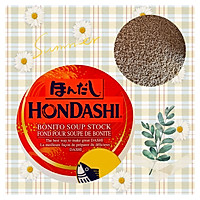
If you really don’t have time to make it yourself, this kind of concentrated crystallization dried into granules is also a good choice, although it is not as healthy as the natural one, but the taste is still very good. In Canada, you can buy it on Amazon and large Chinese supermarkets, and there is also a certain treasure in China. In addition to being used to make broth, it is also good to replace chicken essence when stir-frying and mixing vegetables
Cooking techniques for Japanese dashi