
German alkaline bread
The most common shape of a German alkaline packet is the Prejie, which is said to have been invented by a German priest based on the posture of a prayer person holding his hands. Bavaria is a very devout Christian nation, and even greetings are not “hello” or “good morning”, but “greetings to God”. For Bavarians, great enjoyment is sitting in a beer garden under blue skies and white clouds, sipping home-grown beer and nibbling on Brezel.
The method of alkaline bread
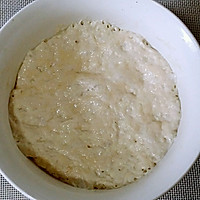
Step 1
Mix fermentation head raw materials, cover and ferment at room temperature for 12~16 hours until fully expanded and begin to collapse.
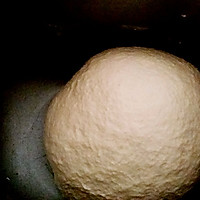
Step 2
Mix all ingredients except yeast and butter and let stand for 20 minutes. Add salt and yeast, knead until the expansion stage, add butter, and continue kneading until fully expanded.
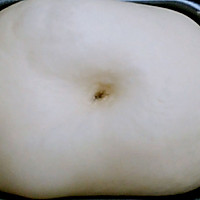
Step 3
Put it in a container and ferment at room temperature for about 2 hours, and press your fingers without bouncing back.
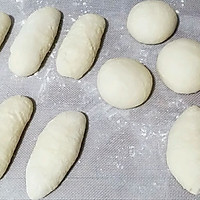
Step 4
Remove the dough and divide it into 11-12 portions of 85-90 g each. Each serving is rolled out into a tube shape and relaxed for about 10 minutes.
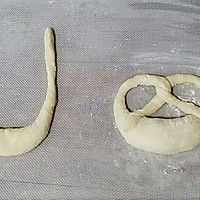
Step 5
First, make a few pre-knots and pinch them into long strips that are thick in the middle and thin at both ends. Cross the two ends twice and form a shape as shown in the picture.
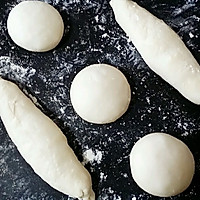
Step 6
Make two more olive and cute little circles.
Step 7
Ferment at room temperature to 70%, about 30 to 45 minutes, then refrigerate without plastic wrap for 30 minutes to harden the surface. Or let it ferment for 20 minutes and then refrigerate overnight.
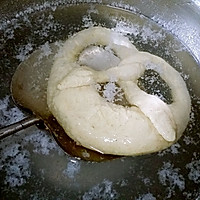
Step 8
Dissolve the edible concentrated alkali in water, stir completely to dissolve, and let stand for 10 minutes (be careful to wear gloves and protective glasses). Soak each dough in an alkaline solution for about 30 seconds.
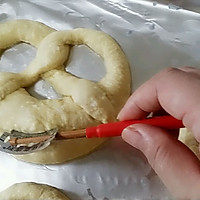
Step 9
Remove it and sprinkle a little coarse sea salt on the surface, and cut the bun at the thickest part of the bread. Because the surface hardens after soaking and expansion is limited in the oven, cut the bale so that the dough has a place to expand.
Step 10
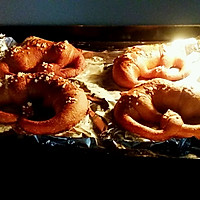
Send it to a preheated oven at 220-230°C and bake for about 15 minutes until brownish-red.
Step 11
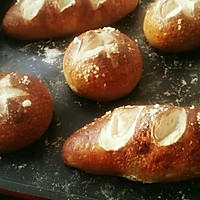
These are also quite cute, and the cut of the small round bag would be beautiful if it was longer. After the alkaline water bath, the taste is particularly fragrant. The surface is hard and crispy, and the inside is soft and fragrant. Coarse sea salt grains are absolutely indispensable.
Cooking tips for alkaline bread
Baking alkali is also called concentrated alkali (NaOH), the pH value is greater than that of edible alkali noodles (Na3CO3) and baking soda (NaHCO3) used for steamed buns, and the appearance is also different.