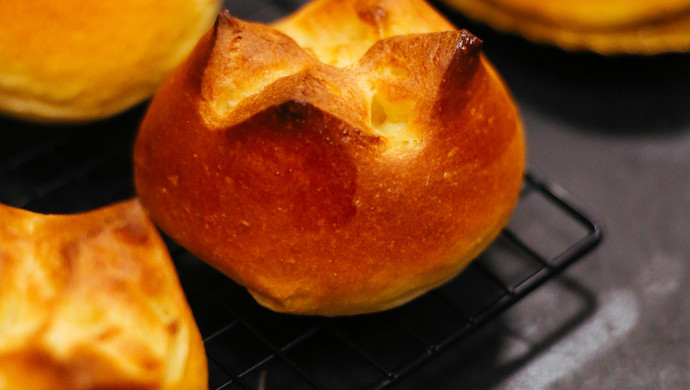
Classic French class bread: brioche
If you eat a briocio, there is really a class problem. Because of the different proportions of butter used, Brioche bread itself is divided into several classes. Butter with a proportion of 20% is called the poor version of the brioche, the proportion of more than 70% is called the rich version of the brioche, and the middle class brioche in between. The “poor man’s version” will have relatively less fat, more chewiness, and a soft heart; The “rich version” has a soft taste like clouds due to its high fat, while the middle class combines both. Can you guess what class of Brioche is sharing with you today?
Briocio’s approach
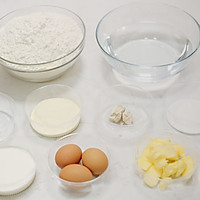
Step 1
Prepare all the ingredients.

Step 2
Use the post-oil method (put the butter on) and mix the dough until it is complete.

Step 3
The dough is arranged into a circle and the dough temperature is measured, which is approximately 25°C.
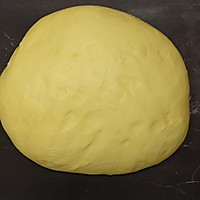
Step 4
After 60 minutes of basic fermentation at a temperature of 25°C and 75% humidity, the flattened exhaust pair is placed in the refrigerator (5°C) for 15-18 hours.
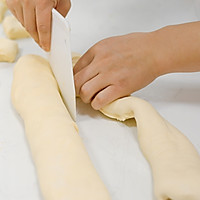
Step 5
Divide the fermented dough into 50g pieces.
Step 6
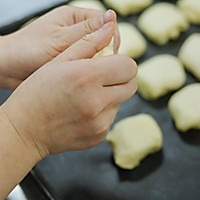
Stretch the divided dough with your hands around to make the surface of the dough smooth and tight.

Step 7
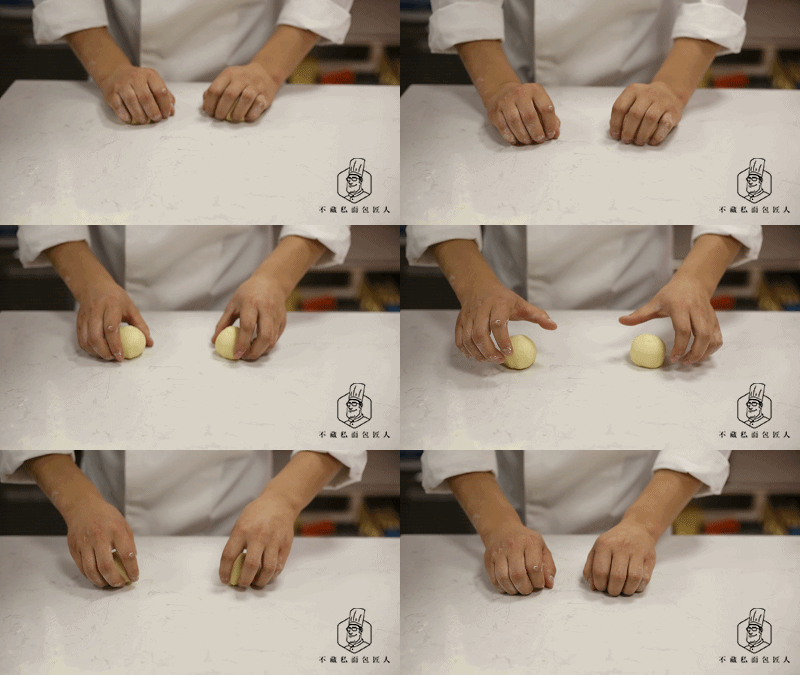
Shape into cubes and let them relax at room temperature for 30 minutes.
Step 8
Roll the loose dough into a round.
Step 9
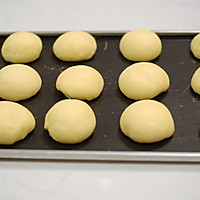
Proofing for 30 minutes at a temperature of 25°C and 75% humidity.
Step 10
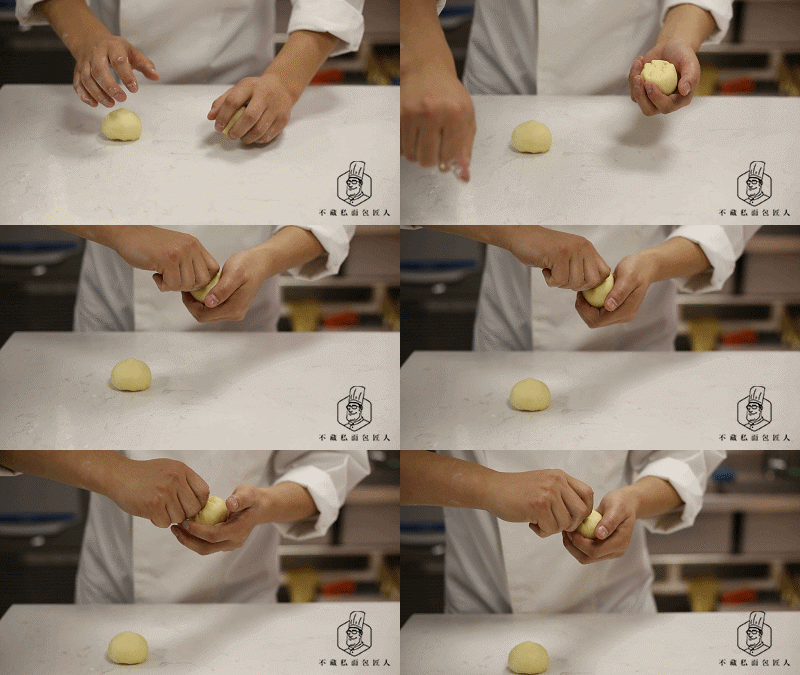
Roll the dough into a circle, pinch the bottom slightly, and place it in the baking sheet with the mouth down.
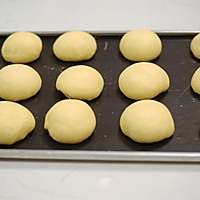
Step 11
The final fermentation was carried out at a temperature of 30°C and a humidity of 75% for 60 minutes.

Step 12
Finally, the surface of the fermented dough is coated with a full egg mixture.
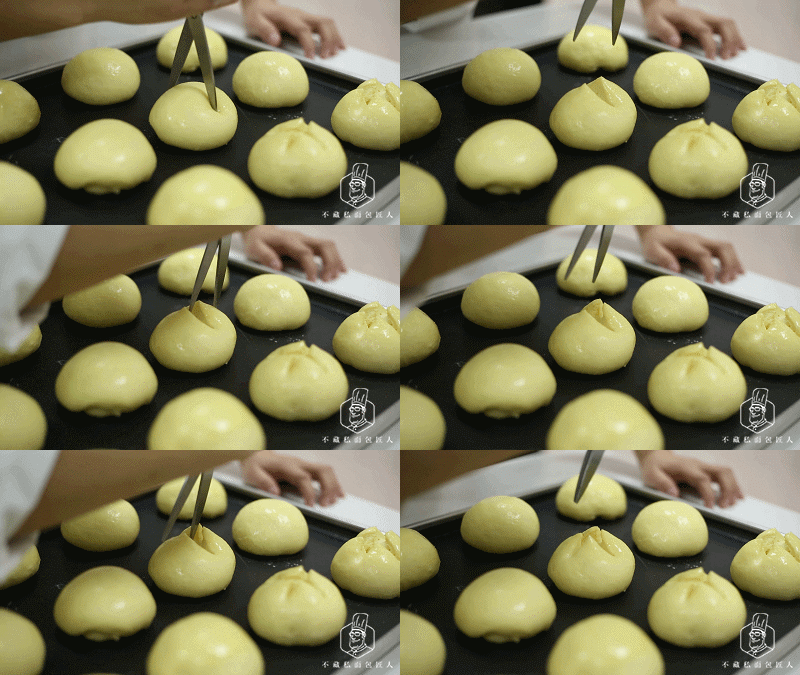
Step 13
Scissors cut cross edges on the surface of the dough.
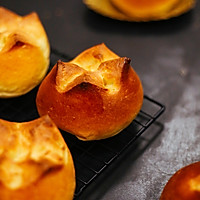
Step 14
Preheat the oven at 210°C and 160°C and bake for 10-12 minutes.
Step 15
If you want to know the recipe and more bread knowledge at the first time, please scan the QR code to follow the baker who does not hide the bread.
Briocio’s cooking techniques
1. How many loaves can be made? 44 loaves can be made. 2. Can I replace dry yeast if there is no fresh yeast? The amount of dry yeast is one-third of that of fresh yeast. 3. Why do I need to do a refrigerated fermentation after a fermentation? Because the flavor produced during the refrigeration fermentation process will be better. There are skills in