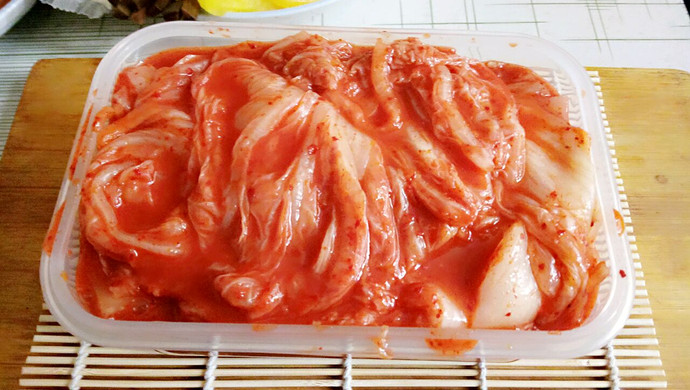
Korean kimchi
Korean kimchi is another name for Korean pickles or Korean pickles, and can also be called Korean pickles. Calling it “kimchi” is an incorrect term. Authentic “kimchi” refers to a kind of lactic acid bacteria-fermented delicacy popular in some provinces and cities in southwest China, and its production process is obviously different from Korean pickles, focusing on the word “bubble”. There should be a distinction between the two types of food. Kimchi is one of the most common dishes in Korea, characterized by its spiciness, and is commonly eaten with rice by North Koreans. In South Korea’s kimchi culture, there are traces of Chinese Confucian culture. Tang Dynasty general Xue Rengui settled in Goryeo (present-day South Korea). His entourage would make kimchi from his hometown, and at this time Chongqing kimchi entered South Korea.
How to make Korean kimchi
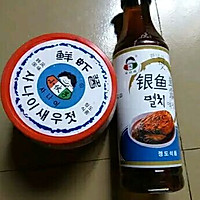
Step 1
A certain treasure can be bought
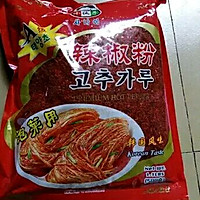
Step 2
This is also the same as the two types of chili noodles, the thick one absorbs water
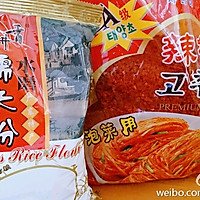
Step 3
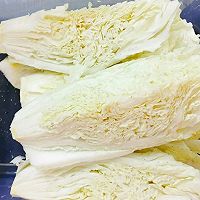
Cabbage is watered with salt and left overnight.
Step 4
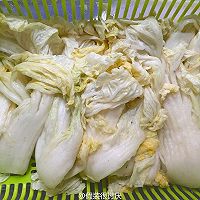
Kill it, rinse off the salt with water, rinse it well and taste it,
Step 5
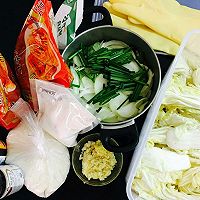
Glutinous rice flour is boiled with water and cooled, and the remaining ingredients such as ginger, garlic and onion are beaten into a paste with a juicer and mixed with the cooled glutinous rice paste.
Step 6
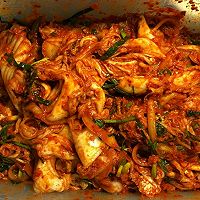
Spread the finished kimchi sauce on the cabbage,
Step 7
Put it in a crisper box, put it outdoors for a day, and you can eat it in the refrigerator for two weeks, this can be made into radishes, and you don’t need to wash off the salt when you kill radishes, because the radish is not very salty after being pickled, I personally feel that the amount of pickled pickles can be increased or decreased according to your own taste, not so standard.
Cooking tips for Korean kimchi