
German alkaline water pack
The practice of German alkaline water packages
Step 1
Preparation of ingredients;
Step 2
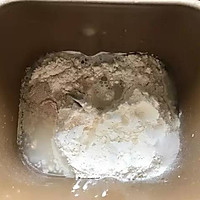
Stir flour, water, salt, caster sugar, and yeast powder in a bread machine or chef machine;
Step 3
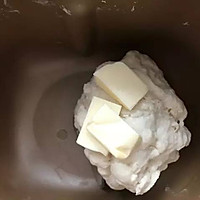
When the dough is clumped, you can add softened butter;
Step 4
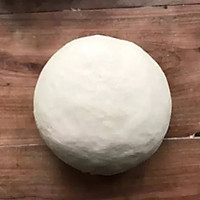
Knead the dough until smooth and take it out;
Step 5
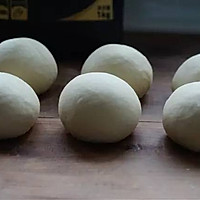
Divide into six parts, each serving of about 70 grams, roll it into a circle, cover it with plastic wrap and relax for 30 minutes;
Step 6
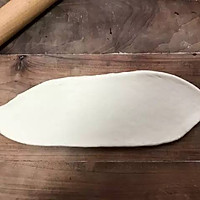
Take a loose dough and roll it out;
Step 7
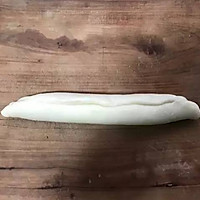
Roll it up from one end and pinch it as tightly as possible at the end;
Step 8
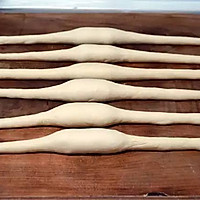
Rub it into two thin strips of the middle drum, and try to make it as long as possible to make it easy to shape;
Step 9
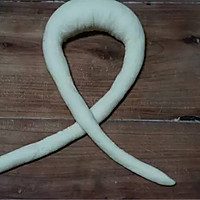
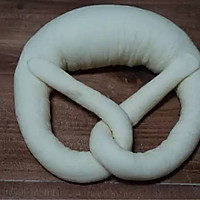
shaping, crossing both ends;
Step 10
knotting, organizing and organizing;
Step 11
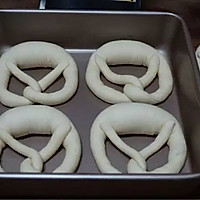
Put the shaped dough in a baking dish and freeze in the refrigerator for more than two hours;
Step 12
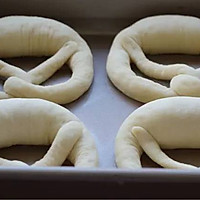
dough after refrigeration;
Step 13
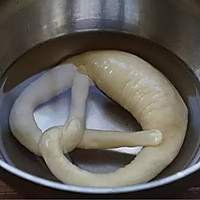
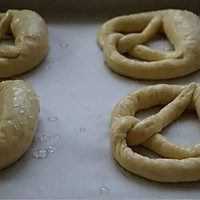
100 grams of warm water (30-40 degrees), dissolve 4 grams of baking alkali, soak the dough in water for 20 seconds, remove it;
Step 14
Place it evenly on a baking sheet covered with oiled paper, use a chopstick to fix the blade, cut the bulge in the middle of the bread, and sprinkle with an appropriate amount of sea salt;
Step 15
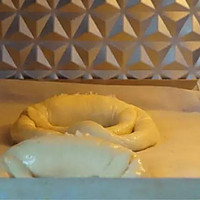
Preheat the oven to 195 degrees, bake for 20 minutes, and the color is satisfactory before it is baked;
Cooking tips for German alkaline packs
1. What is baking alkali? Is there a difference between baking alkali and regular soda? Is it OK to make alkaline water for mooncakes? There is yeast in the recipe, why not ferment? Does this bread not need to look at the film? Will it taste like steamed buns without film? Answer: baking soda refers to caustic soda, caustic soda, caustic soda, molecular formula sodium hydroxide, and the ordinary edible alkali refers to sodium carbonate, and baking alkali is still used to make German bread. It is not the alkaline water used to make mooncakes, it does not need to ferment, there is no need to look at the film, and the surface of the dough needs to be stirred particularly smooth; The relaxation in the process of stirring and kneading is about an hour, and the yeast has already fermented, and this bread does not need to ferment for too long; The feeling is completely different from steamed buns, the alkaline water pack tastes thin, hard and slightly crispy, and the middle is moist and soft. 2. What kind of container is better to use to dissolve baking alkali? Do you need to wear any tools for your hands? Do you want steam when grilling? A: Use stainless steel containers; The corrosiveness of baking alkali is relatively strong; Disposable gloves need to be worn, as long as they are made of any material that can protect the gloves from water impermeability; no need to steam, just bake normally; 3. Will the finished bread become hard when frozen in the refrigerator after it cools down? Do you defrost when rebaking? Is there a requirement for the temperature time for rebaking? How many days can you put it outside without putting it in the refrigerator? Answer: it will not become hard, re-bake it when eating, it is as soft and moist as the freshly baked taste, and there is no need to thaw it when re-baking; The temperature of re-baking is about 160 °C, 10-12 minutes is enough; If you don’t put it in the refrigerator and keep it sealed for about 3 days, it will dry out, lose moisture, and the bread will age. 4. Can high-gluten flour be used? Why put sea salt, is regular salt okay? Answer: high-gluten powder can be used; The flavor of sea salt is relatively strong, and the characteristics of this bread are the flavor of sea salt and the taste of soaked alkaline water; ordinary salt is not good, if there is no sea salt, you can sprinkle sesame seeds for decoration; 5. Some recipes use dark beer, is the alkaline water in this recipe instead of dark beer? Can you reduce the amount of sugar in it? Answer: No, the most important part of making this bread is the alkaline part, which cannot be replaced by anything else; The sugar cannot be reduced, this bread has a salty taste, and basically you can’t taste the taste of sugar. 6. If there are diabetics at home, can I switch to xylitol? Can you put some cheese or other fillings in the dough? Answer: xylitol can be used; It is not easy to put a large amount of moisture in the dough, which can easily affect the later molding and taste; 7. What is the function of soaking alkali, how long does it take to soak alkali, knead the dough and freeze for 2 hours and then refrigerate overnight? A: Increases bread flavor and color. 20 seconds, after the dough is shaped, put it in the refrigerator for two hours or freeze overnight, the dough needs to be harder; 8. Is 140 grams of water in the formula the amount of water used for kneading noodles? What other uses are baking alkali for besides alkaline bread? Answer: Yes, soaking alkaline water is done with another 100 grams of warm water; The alkali that can be used to make food can be used, and the purity of this alkali is relatively high; 9. How to fix the blade? Is it okay to have no baking alkali? Answer: the blade can be fixed to the top of the chopsticks, the gap in the middle of the blade is inserted on the chopsticks or bamboo skewers, the general alkali is not good, the taste is completely different, the finished product made by the general alkali tastes a little bitter, and the color is different; 10. Does eating alkaline water packs affect the stomach? Is this bread delicious cold or eaten hot? Is it hard when cold? How much to bake after soaking alkali? Answer: there is no effect, what we usually eat contains less alkali, the body needs acid-base balance, bread is completely cool and delicious, don’t eat hot bread; After soaking in alkaline water, the reference temperature is 195°C, and the color is satisfied for 20 minutes until you are satisfied; 11. Can I bake it without completely thawing it after soaking in alkaline water? Is sea salt sprinkled on the cut or on the edge of the cut? Should I soak one for another change, or should I soak it all before cutting my mouth? Is there a requirement for water temperature when kneading dough? How long do you need to knead noodles? Answer: those that do not need to be completely thawed need to be slightly hardened and baked; Sprinkle sea salt around the opening; After soaking all the water and baking alkali in the formula, all the alkali water packets need to be soaked; When kneading the dough, the temperature is normal, 70 grams of dough is 60 cm long.